6.7 Structure of the Musical Work Cluster Notification
The structure of the MusicalWorkClusterNotification is described in below. MusicalWorkClusterNotifications shall be communicated with the message exchange protocol defined in Part 1 of the ECM standard.
The MusicalWorkClusterNotification can be used to communicate 0-n Musical Work Clusters, and contains five sub-elements as depicted in Figure 3:
A mandatory
@AvsVersionIdcommunicates the version of the allowed value sets used in the message;The mandatory
LanguageAndScriptCodecommunicates the language and script for the elements of the message as defined in IETF RfC 5646. Language and script are communicated using the syntaxlang[-script][-region][-variant];A mandatory
MessageHeadercommunicates general message metadata as depicted in Figure 4;A mandatory
PartyListwith 1-nPartycomposites (depicted in Figure 5) describing parties related to musical works or recordings referenced from the Musical Work Clusters. EachPartymust have either aPartyNameor aPartyIdbut may also have both; andA mandatory array of
MusicalWorkClustersas depicted in Figure 6 that describes 1-n Musical Work Cluster through:A mandatory
ClusterId, a unique identifier of the Musical Work Cluster allocated by the message sender;An optional
ClusterCreatorClusterId, a unique identifier of the Musical Work Cluster allocated by the party that originally created the cluster. This is required only when a notification is sent in response to another notification message. In that case, theClusterIdof the initial notification message shall be repeated in theClusterCreatorClusterIdto maintain a link between related messages.An optional
RequestedClusterId, linking the Musical Work Cluster back to aMusicalWorkClusterRequest;An optional
ClusterCreator, referencing thePartycomposite describing the party that originally created the cluster;A mandatory
ClusterRoot, describing the musical work that begets the Musical Work Cluster (see Figure 7); andAn optional array of
ClusterMembers, describing the resources that make up the Musical Work Cluster (see Figure 7).
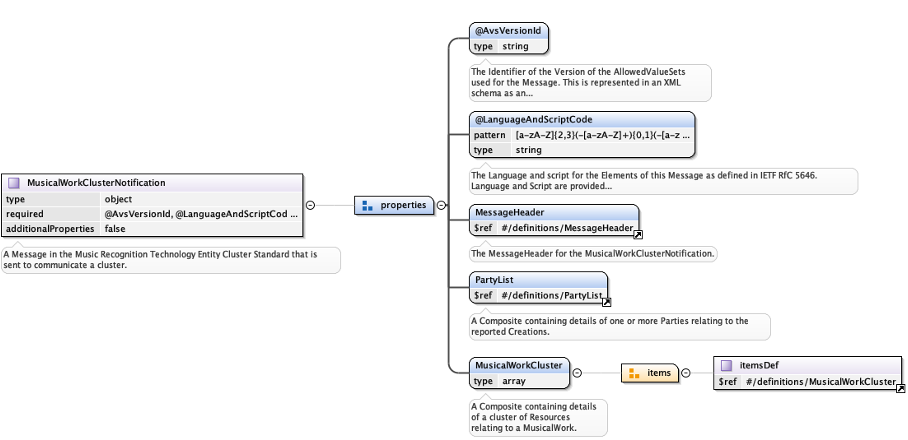
Figure 3 – Structure of the MusicalWorkClusterNotification
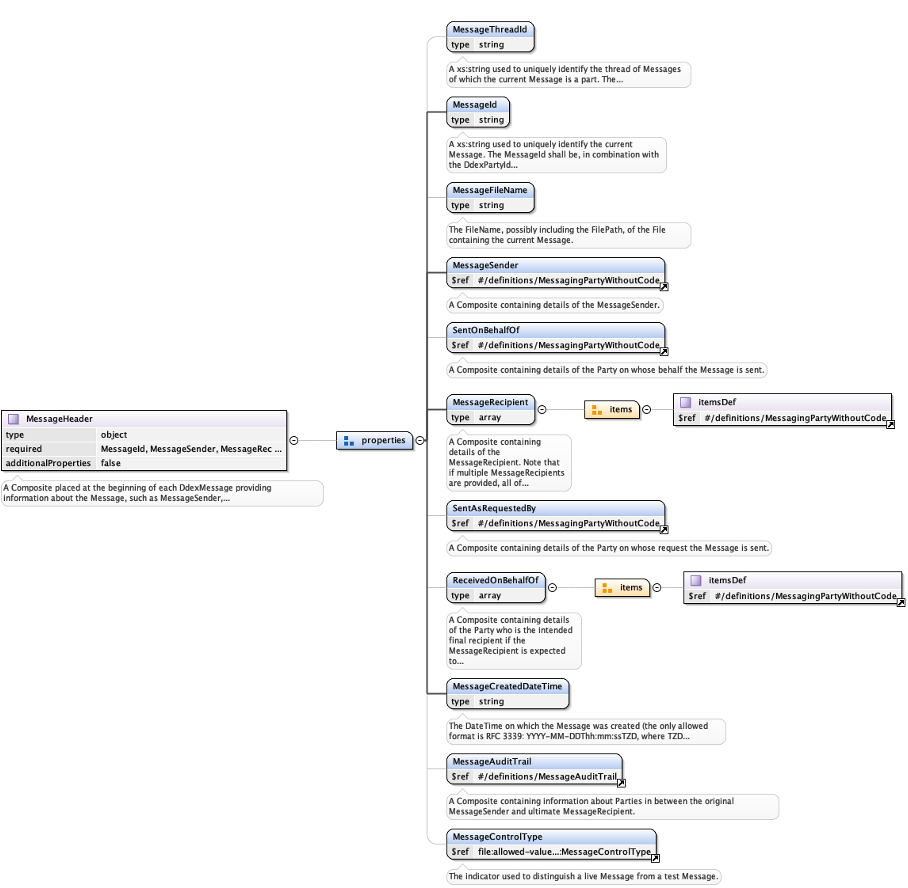
Figure 4 – Structure of the MessageHeader composite
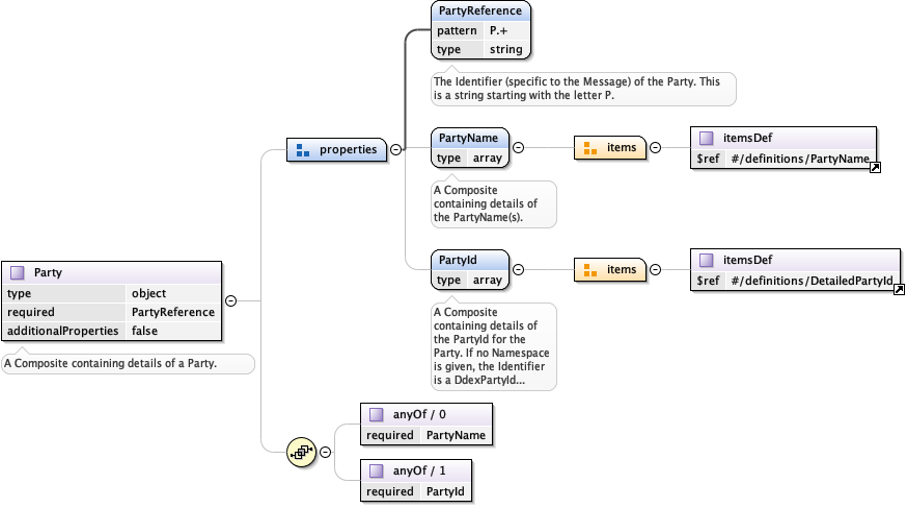
Figure 5 – Structure of the Party composite
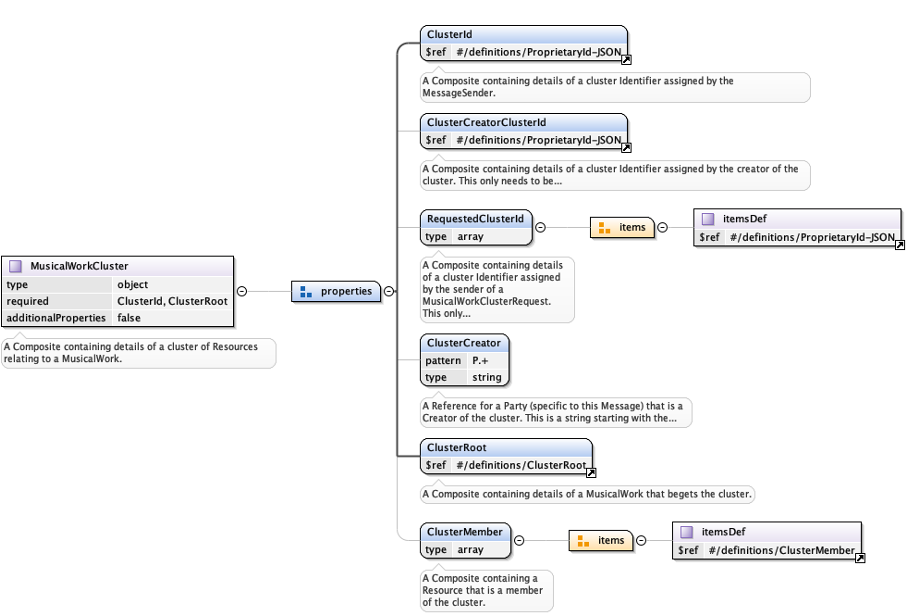
Figure 6 – Structure of the MusicalWorkCluster composite
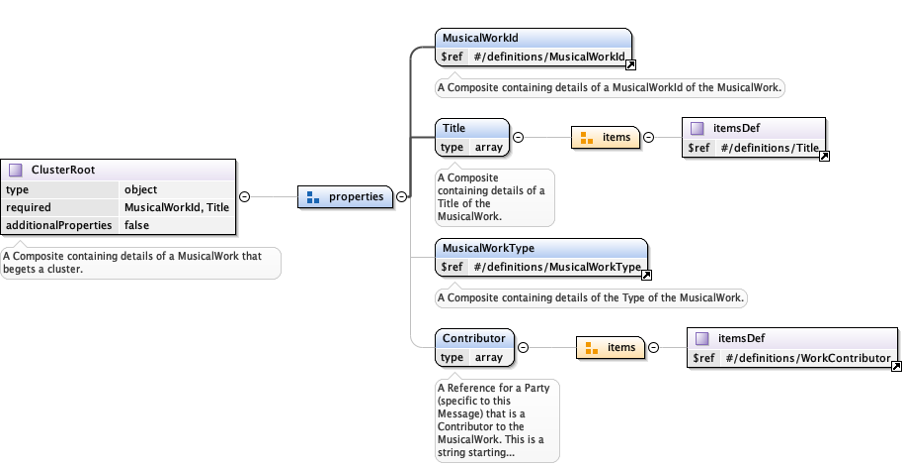
Figure 7– Structure of the ClusterRoot composite
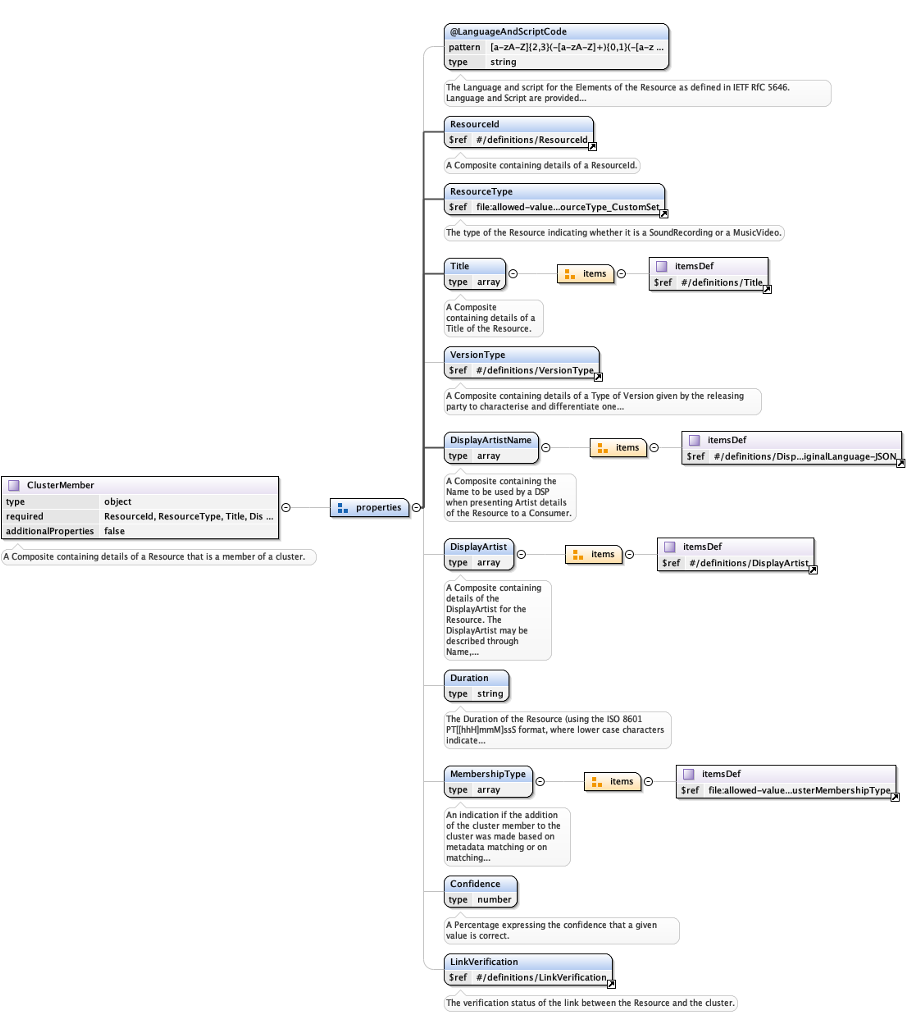
Figure 8 – Structure of the ClusterMember composite